Owner next step: compare this investment research with IMC Capital's Cedar Park property management, commercial property management, and Rental Revenue Calculator so rent potential, fees, maintenance reserves, and management needs are evaluated together.
The Cedar Park Commercial Real Estate Market
Cedar Park sits in a strong Central Texas growth corridor, but commercial investment still requires disciplined underwriting. Population growth, household income, road access, nearby employers, and tenant demand can all support a commercial property, but those factors do not replace lease review, operating cost analysis, maintenance planning, and tenant risk management.
Owners evaluating local management support can review IMC Capital's Cedar Park property management services as a next step. The right management plan should account for the asset type, tenant profile, maintenance obligations, vendor coordination, rent collection process, and reporting cadence.
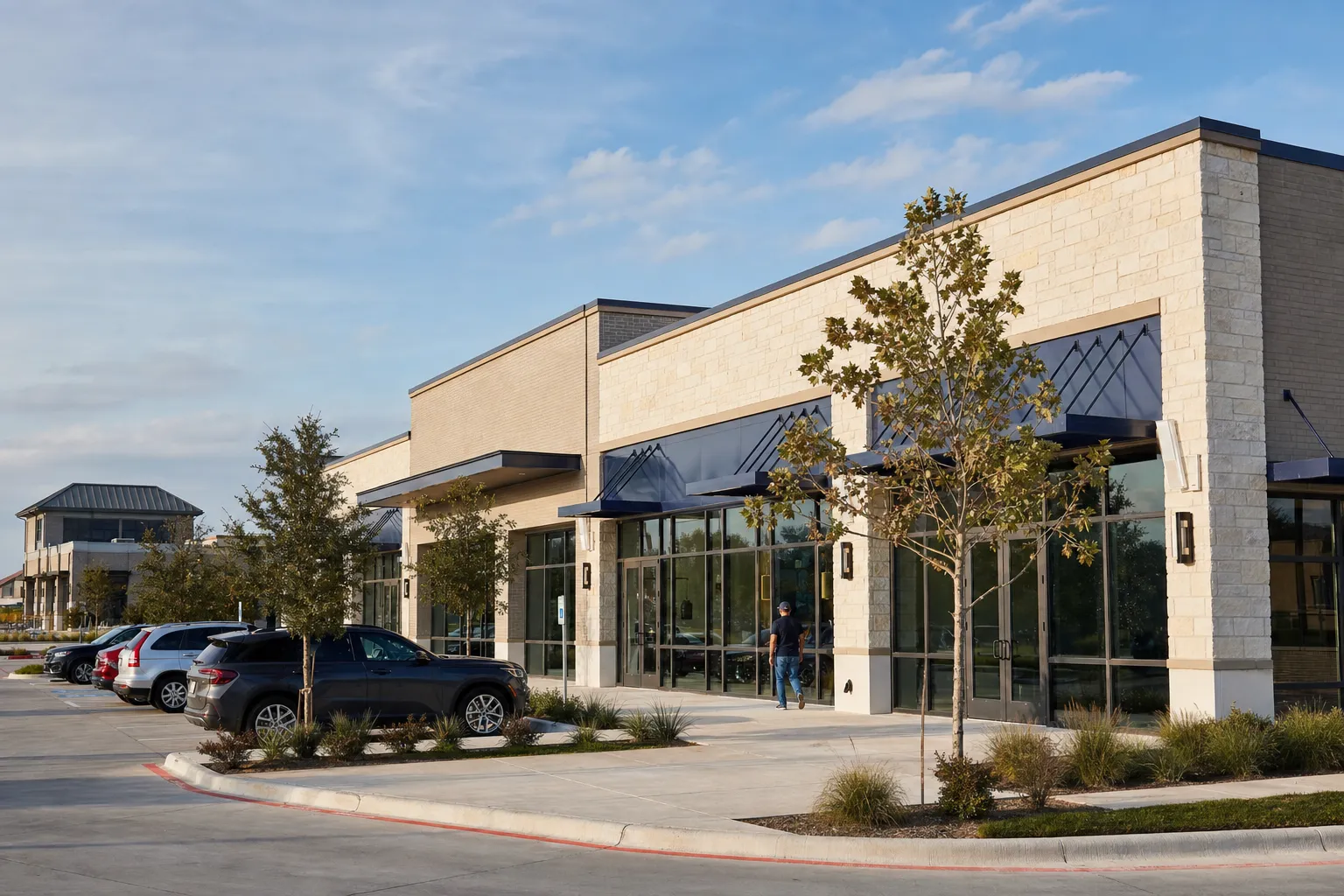
Cedar Park's location north of Austin gives businesses access to regional customers while keeping them close to growing residential communities. That can support retail, medical office, flex, service, and mixed-use demand. Investors should still evaluate whether the specific property has visibility, parking, access, tenant improvements, lease flexibility, and operating reserves that fit the business plan.
Commercial owner due diligence checklist
- Review lease structure, renewal options, expense reimbursements, and tenant improvement obligations.
- Confirm maintenance responsibility for HVAC, roof, parking, signage, landscaping, and common areas.
- Compare tenant demand by use type instead of assuming all commercial spaces perform the same.
- Build reserves for vacancy, make-ready work, compliance items, and capital repairs.
- Decide who will handle vendor access, tenant communication, rent collection, and owner reporting.
Investing in Cedar Park’s commercial real estate market can be attractive, but management quality matters. The strongest opportunities are usually the ones where location, tenant demand, lease terms, and operating discipline all line up.
Cedar Park Demographics and Economic Landscape
Understanding Cedar Park's demographics and economic landscape is crucial for anyone considering commercial property investment in this thriving area. The city has witnessed steady population growth, fueled by its reputation as a family-friendly community with excellent amenities. According to the latest Cedar Park Demographics Report, the city's population surpassed 80,000 in 2021, reflecting a robust growth rate that outpaces many other regions in Texas.
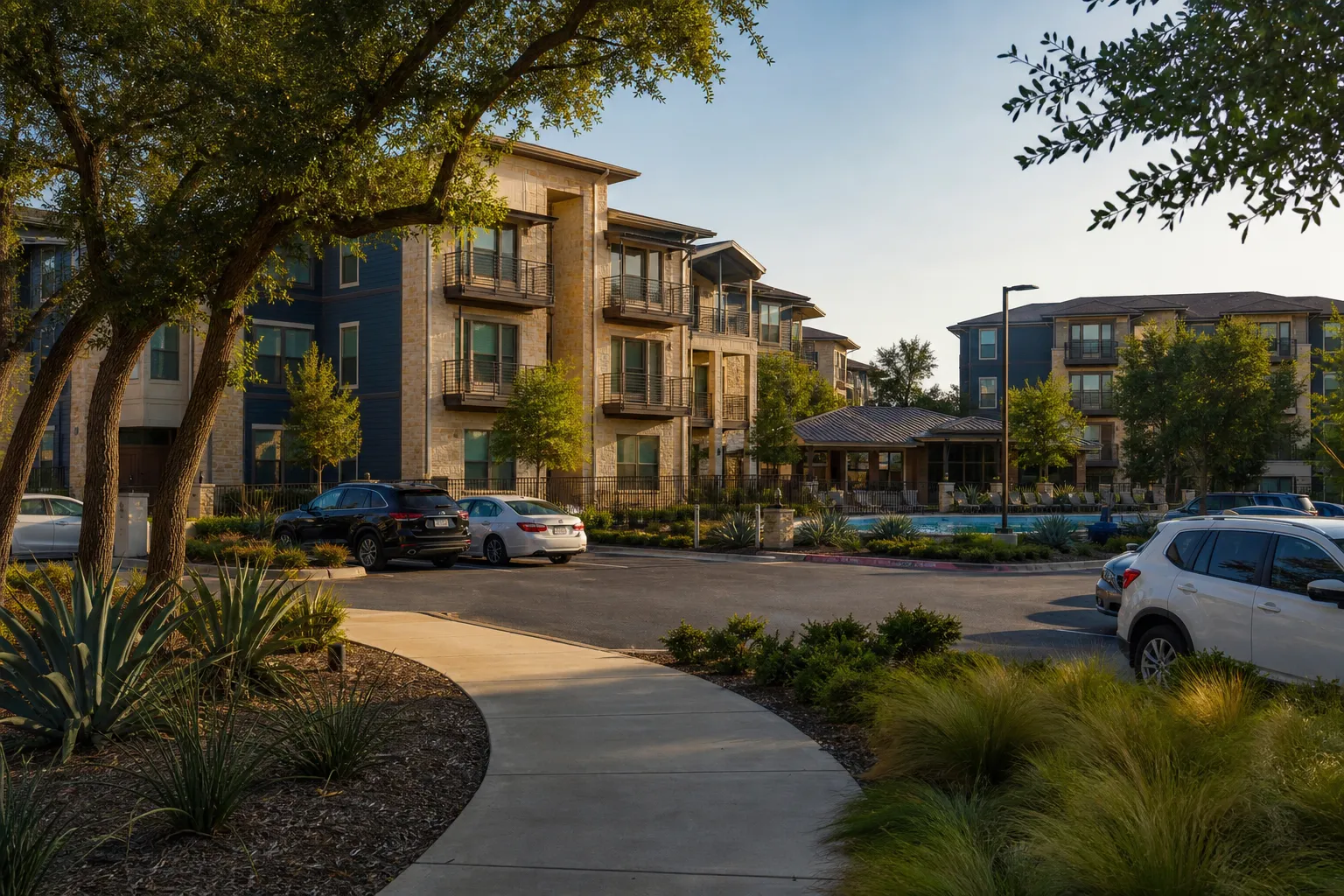
This population influx is more than just a number; it has a profound impact on demand for commercial real estate. As the population grows, so does the need for businesses that cater to residents' daily needs, such as grocery stores, restaurants, and retail shops. The increasing population density particularly drives demand for multifamily housing and mixed-use developments, which provide both living and commercial spaces in one location. Investors should take notice of these trends to strategically position their investments for maximum return.
Moreover, Cedar Park’s economy is not just growing; it's diversifying. The city has seen an influx of technology companies, making it a tech hub within the Central Texas region. Major employers, such as Dell Technologies and National Instruments, have established a solid presence in the area, attracting a skilled workforce. This tech boom not only increases direct employment but also stimulates demand in other sectors, including housing, retail, and hospitality. Additionally, Cedar Park is experiencing a rise in healthcare investments, with facilities like the Baylor Scott & White Medical Center enhancing the city’s appeal for both residents and investors.
The business climate in Cedar Park is further supported by local government initiatives encouraging economic development. These efforts include tax incentives for new businesses, streamlined permitting processes, and enhancing local infrastructure. Such measures create an inviting environment for entrepreneurs and established companies alike, translating into growing demands for commercial spaces.
Moreover, fundamental economic indicators are solid. The average household income in Cedar Park is higher than the national average, supporting a consumer base willing to spend. It boasts a low unemployment rate, which stood at approximately 3.3% in early 2023, significantly better than the national average of around 4.0%. This strong employment rate indicates a thriving economy that supports local businesses and, in turn, enhances the investment potential in commercial properties.
In conclusion, Cedar Park’s demographic growth and diverse economic landscape create an exceptional environment for commercial property investors. With a rising population that demands various goods and services, alongside a flourishing economy bolstered by a range of industries, the city is positioned as an attractive option for investment. Understanding these dynamics allows investors to make informed decisions while planning their commercial investments in this promising market.
High-Growth Business Sectors in Cedar Park
Cedar Park’s commercial property investment landscape is increasingly influenced by high-growth business sectors that are thriving within the city. Identifying these sectors is crucial for investors looking to maximize their returns on commercial real estate. Three primary industries dominate Cedar Park's growth: technology, healthcare, and retail.
The technology sector is a driving force behind Cedar Park’s economy. Thanks to its proximity to Austin, many tech companies have established a substantial presence in Cedar Park. Notable employers like Dell Technologies and National Instruments have contributed to a thriving ecosystem of innovation and entrepreneurship. The influx of tech workers has significantly increased demand for commercial spaces, from office buildings to coworking spaces. The average salary in tech roles also tends to be higher, which facilitates consumer spending in the area, further benefiting other businesses.
Healthcare is another high-growth sector in Cedar Park. The establishment of medical facilities, including the Baylor Scott & White Medical Center, has turned the area into a regional healthcare hub. As the population continues to grow, so does the need for healthcare services. In fact, a recent report from the Health Affairs Blog indicated that the demand for healthcare infrastructure will rise by about 18% over the next decade due to increasing population density and an aging demographic. This translates to a pressing need for medical office buildings, outpatient clinics, and wellness centers, making healthcare-related commercial investments particularly lucrative.
The retail sector in Cedar Park is also flourishing due to the community's expanding population and growing disposable income. New shopping complexes, restaurants, and entertainment options have proliferated, catering to the needs of the growing resident base. This trend is not merely a response to consumer demand; it is also driven by an increase in state revenues, which supports infrastructure development such as roads and public facilities. As a result, Cedar Park is increasingly becoming a retail destination for surrounding communities, further boosting local businesses.
Investors should also pay attention to the trend of mixed-use developments in Cedar Park, where residential, commercial, and recreational spaces coexist. Such developments not only meet the evolving needs of residents but also enhance the value of real estate by providing multiple streams of revenue. These properties often attract a diverse range of tenants, from small businesses to larger corporations.
In summary, Cedar Park presents a unique opportunity for commercial property investment across its high-growth sectors. The supportive local economy, driven by technology, healthcare, and retail, creates a multifaceted commercial landscape ripe for investment. By concentrating on these growing industries, investors can secure lucrative returns and contribute to the community's ongoing development and success. Understanding these sectors allows for strategic positioning in Cedar Park’s vibrant commercial real estate market.
Current Trends in Commercial Property Investment
The commercial real estate market in Cedar Park is evolving rapidly, shaped by various emerging trends that investors should consider when exploring investment opportunities. Understanding these trends can provide valuable insights for making informed decisions and maximizing returns.
One of the most notable trends is the rise of mixed-use developments. These properties combine residential, commercial, and recreational spaces, creating vibrant communities that cater to a diverse range of needs. Consumers increasingly prefer living in areas where they can access work, shopping, and leisure activities without long commutes. Mixed-use developments are particularly attractive to investors as they often generate multiple income streams, increasing financial stability and resilience. According to a report by the Urban Land Institute, mixed-use projects are now considered one of the most sought-after investment types in suburban areas like Cedar Park .
Another significant trend is the growing emphasis on sustainable building practices. Investors are becoming increasingly aware of environmental impacts and are seeking properties that align with sustainability principles. This shift is not just about environmental consciousness; it also offers competitive advantages. Sustainable buildings often experience lower operational costs due to energy efficiency and can command higher rental prices. As demand for eco-friendly spaces rises, properties meeting green certifications, such as LEED (Leadership in Energy and Environmental Design), are positioned to attract both tenants and investors. A recent study by the World Green Building Council found that green buildings typically have upward of 10% higher occupancy rates compared to traditional developments .
The demand for flexible workspaces is also shaping Cedar Park’s commercial real estate market. The pandemic spurred a shift in how businesses utilize office spaces. Companies are now prioritizing flexible work arrangements, which has resulted in a rise in demand for coworking spaces and adaptable office layouts. Investors looking to tap into this trend can benefit from properties that cater to startups and remote teams seeking affordable, dynamic environments.
Moreover, technology integration is becoming a key consideration in commercial properties. Smart building technologies - such as energy management systems, occupancy sensors, and high-speed internet - are increasingly sought after by tenants. Properties equipped with the latest tech not only enhance tenant experience but also streamline management operations. Investors who incorporate smart technologies set themselves apart in a competitive market, attracting businesses keen on modern amenities to enhance productivity.
Lastly, the current retail landscape is reshaping Cedar Park’s commercial property investment trends, influenced by e-commerce growth. Traditional retail is adapting, and investors are focusing on properties that offer experiential shopping and service-driven models. Retailers now blend online and offline experiences, leading to increased demand for lifestyle centers that provide entertainment, dining, and unique shopping experiences. Investors should watch for properties that adapt to these trends to ensure long-term viability amidst changing consumer preferences.
In conclusion, the current trends in Cedar Park’s commercial property investment landscape reflect a dynamic shift towards mixed-use developments, sustainability, flexible workspaces, technology integration, and experiential retail. By remaining vigilant to these trends, investors can strategically position themselves to capitalize on Cedar Park's flourishing real estate market. Adapting to these evolving trends will not only enhance investment opportunities but also contribute to the creation of vibrant, essential commercial spaces in the community.
Benefits of Diversifying into Commercial Real Estate
Investing in commercial real estate offers numerous advantages, making it a compelling option for both seasoned investors and newcomers. Diversifying into this asset class can enhance financial stability, provide potential for higher returns, and create wealth-building opportunities. This section explores some of the key benefits of incorporating commercial properties into your investment portfolio, particularly in thriving markets like Cedar Park.
One primary advantage of investing in commercial real estate is the potential for higher rental yields compared to residential properties. Typically, commercial properties can generate rental yields between 6% and 12%, significantly outperforming residential investments, which often yield around 4% to 6%. According to a report by the National Association of Realtors, commercial real estate has shown to provide better income potential over time, enhancing overall investment performance. Higher yields often translate into greater cash flow and more significant returns on investment, making commercial properties an attractive choice for wise investors.
Another significant benefit is the long-term leases typically associated with commercial properties. Unlike residential leases, which often last only a year, commercial leases can extend from three to 10 years or more. This extended tenancy ensures a more stable revenue stream, minimizing downtime and vacancy rates. Furthermore, many lease agreements include clauses that allow landlords to pass on property expenses, such as maintenance and property taxes, to tenants. This structure helps investors regain a substantial portion of their costs, thereby increasing net returns.
Diversification also mitigates risks, which is crucial in managing an investment portfolio. By investing in various types of commercial properties - such as office buildings, retail spaces, warehouses, or mixed-use developments - investors can cushion their portfolios against fluctuations in any single market segment. For instance, while retail properties may experience downturns due to e-commerce competition, industrial properties may thrive as demand for logistics and warehousing grows. This strategy enables investors to create a balanced portfolio that can withstand changes in the market landscape.
Additionally, commercial real estate investments often come with tax advantages. Property owners can benefit from deductions related to mortgage interest, operational costs, and depreciation. These tax incentives can significantly enhance overall profitability. Moreover, depending on the specific commercial asset, investors may be eligible for 1031 exchanges, allowing them to defer capital gains taxes when reinvesting in another property of equal or greater value.
Investing in commercial properties also provides an opportunity for value appreciation over time. Like residential properties, commercial real estate can appreciate in value, particularly in growing markets like Cedar Park. Investors who purchase properties in promising neighborhoods or expanding business districts may see substantial returns if they decide to sell or refinance later.
In summary, diversifying into commercial real estate presents a myriad of benefits for investors looking to enhance their financial success. With higher potential rental yields, stable long-term leases, risk mitigation through diversification, tax incentives, and appreciating asset values, commercial properties can be a highly rewarding investment strategy. By understanding these advantages, investors can leverage Cedar Park's booming market to explore lucrative opportunities that align with their long-term goals.
IMC Capital’s Comprehensive Commercial Property Management Services
Navigating the commercial real estate landscape in Cedar Park requires a nuanced understanding of the local market, tenant needs, and property management best practices. This is where IMC Capital’s comprehensive commercial property management services step in, offering a wealth of expertise tailored to enhance your investment experience.
One of the key advantages of partnering with IMC Capital is IMC Capital's commitment to maximizing the value of your investment. The IMC Capital team employs data-driven strategies for property marketing and tenant placement, ensuring that your properties are not only occupied but attract quality tenants. By utilizing targeted marketing techniques, IMC Capital can reach potential renters effectively, reducing vacancy periods and increasing rental income. IMC Capital's deep understanding of Cedar Park's demographics allows IMC Capital to match properties with the right tenants based on their unique characteristics and needs.
Additionally, maintaining strong landlord-tenant relationships is essential in commercial property management. IMC Capital prioritizes open communication and responsive service for all parties involved. This includes providing tenants with easy access to maintenance requests, online rent payments, and prompt support from the IMC Capital management team. Clear communication and responsive service help foster tenant satisfaction and retention. Long-standing tenants contribute to stable cash flow and reduce the costs associated with turnover.
IMC Capital's property management services extend beyond tenant relations and include maintenance coordination and operational support. IMC Capital employs proactive property maintenance practices, ensuring properties are in top condition and remain compliant with local regulations. Regular inspections and timely repairs not only enhance tenant satisfaction but also help preserve property values over time. A well-maintained property is less likely to experience costly emergencies, ultimately benefiting both investors and tenants.
Financial management is another crucial aspect of IMC Capital's services. IMC Capital provides comprehensive financial reporting, offering property owners insights into their investment's performance. IMC Capital's transparent and detailed reports cover income statements, expense tracking, and cash flow projections, equipping investors with the information they need to make informed decisions. This level of financial clarity helps investors track their returns and identify areas for potential improvement.
Moreover, IMC Capital's extensive network of industry contacts enables IMC Capital to provide expert resources and guidance across various facets of commercial property management. From legal compliance and lease negotiations to vendor management and marketing strategies, IMC Capital's experience ensures that your investments are handled with the utmost professionalism.
In addition to these services, IMC Capital’s commitment to sustainability allows investors to explore eco-friendly practices. IMC Capital can assist property owners in implementing sustainable initiatives that attract environmentally-conscious tenants and potentially lower operating costs. These initiatives not only benefit the environment but can also lead to enhanced property appeal and value appreciation over time.
In conclusion, IMC Capital offers a comprehensive suite of commercial property management services designed to optimize your investment experience. From effective marketing and tenant relations to financial oversight and proactive maintenance, The IMC Capital team is dedicated to enhancing the value of your commercial properties in Cedar Park. By partnering with IMC Capital, investors can gain peace of mind knowing their assets are in capable hands, ultimately driving long-term success in the commercial real estate market.
Frequently Asked Questions about Commercial Property Investment
As with any investment, potential investors in commercial real estate often have many questions about the process, risks, returns, and management of their assets. This section will address some of the most frequently asked questions regarding commercial property investment, particularly in the Cedar Park area.
What affects commercial rent in Cedar Park?
Commercial rent in Cedar Park depends on property type, location, visibility, parking, tenant improvements, lease terms, and the tenant's intended use. Retail, office, flex, and medical spaces should be evaluated separately because each has different demand drivers and operating expectations.
How do property management companies help commercial owners?
Property management companies help commercial owners by coordinating tenant communication, maintenance, vendor access, rent collection, reporting, lease administration, and property-level issue tracking. A professional management team can also help owners understand whether operating costs, repair timing, and tenant expectations are aligned with the lease.
What are the risks associated with commercial property investment?
Commercial real estate risks can include tenant default, vacancy, changing demand, financing costs, maintenance obligations, insurance costs, and lease terms that shift expenses back to the owner. Longer leases can provide stability, but only if the tenant, use, and property condition are sound.
How do interest rates affect commercial real estate investments?
Interest rates affect debt service, investor return targets, property values, and refinancing options. When borrowing costs rise, owners may need stronger rent assumptions, more conservative reserves, or a lower acquisition price to make the investment work.
Is commercial property investment suitable for new investors?
Commercial property can be suitable for new investors, but it usually requires more lease review, operating analysis, vendor coordination, and capital planning than a typical single-family rental. New investors should work with qualified advisors before purchasing.
How can IMC Capital assist Cedar Park commercial property owners?
IMC Capital can help owners think through management needs, maintenance coordination, tenant communication, reporting, and property operations. For owners comparing options, start with commercial property management or request a free market analysis.
In summary, understanding the answers to these frequently asked questions equips investors with the knowledge they need to navigate the commercial property investment landscape confidently. By leveraging the support of experienced professionals like IMC Capital, investors can successfully engage in the opportunities presented by the booming Cedar Park market while minimizing risks and maximizing returns.